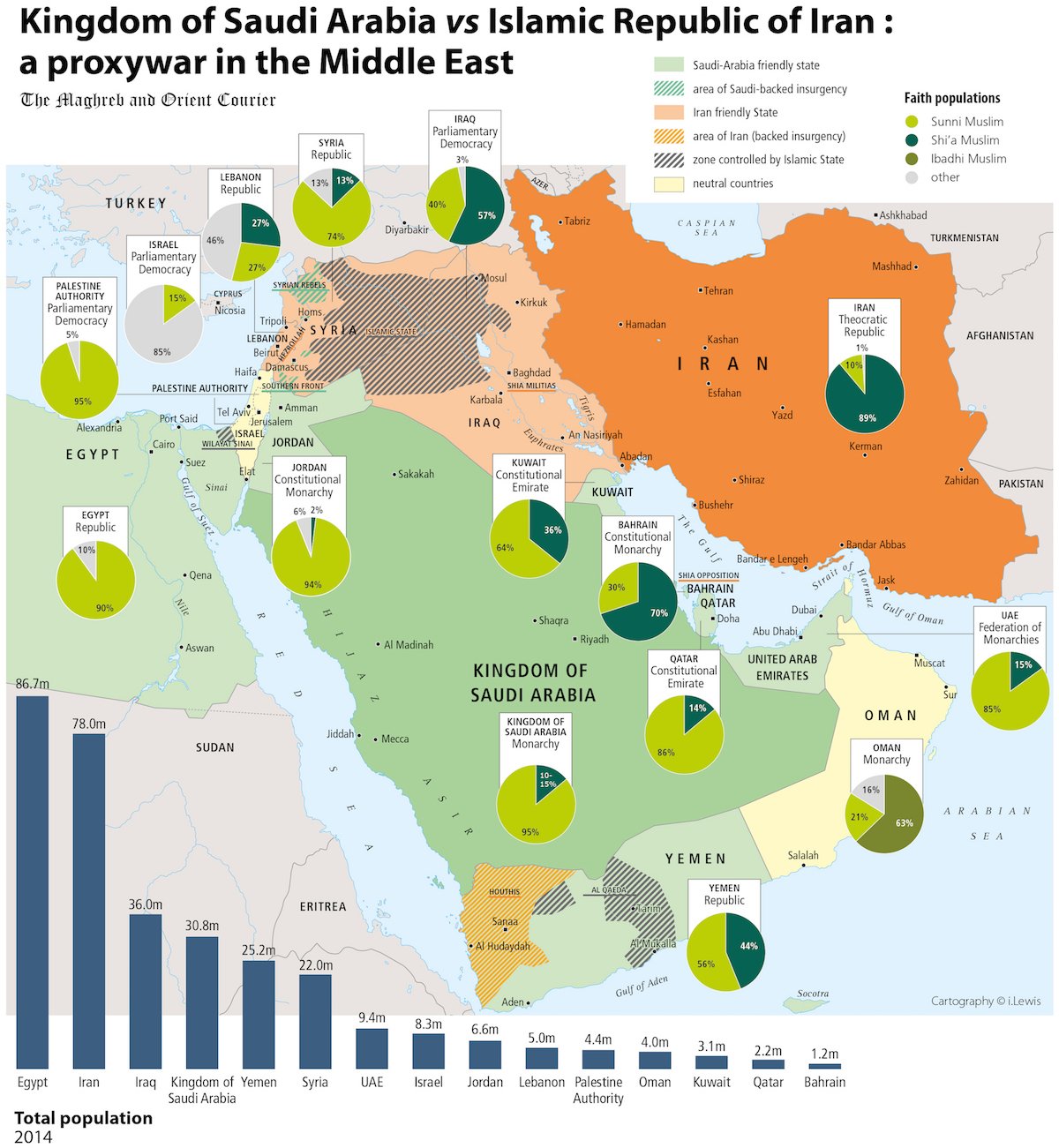
In recent years, the Middle East has been a hotspot for military strikes and attacks involving U.S. troops and interests, with many of these incidents believed to be connected through Iran’s influence via its proxy groups. This complex web of interactions raises questions about the effectiveness of targeting these proxies instead of directly addressing Iran’s core actions and intentions.
Iran has long been accused by the United States and its allies of supporting militant groups across the Middle East, including Hezbollah in Lebanon, the Houthi rebels in Yemen, and various militia groups in Iraq and Syria. These groups have carried out attacks against U.S. personnel and assets, prompting retaliatory strikes from the U.S. military.
One notable incident occurred on March 12, 2020, when U.S. forces conducted airstrikes against Kata’ib Hezbollah facilities in Iraq. This action was in response to a rocket attack on Camp Taji that killed two American service members and one British service member while wounding several others. The U.S. Department of Defense stated that these defensive precision strikes were aimed at degrading Kata’ib Hezbollah’s ability to conduct future attacks against Operation Inherent Resolve (OIR) coalition forces.
The strategy behind attacking proxy groups rather than directly confronting Iran is multifaceted. On one hand, it aims to avoid escalation into full-scale war with Iran itself—a nation with significant military capabilities—while still sending a message that attacks on U.S interests will not go unanswered.
However, critics argue that this approach may only serve as a temporary measure that fails to address the underlying issues driving Iran’s support for proxy warfare. According to Michael Knights, a senior fellow at The Washington Institute for Near East Policy who specializes in military affairs involving Iran and its neighbors: “Striking at proxies does inflict pain on those executing operations against us but doesn’t necessarily change Tehran’s calculus or capabilities.”
This debate takes place within a broader geopolitical context where both regional dynamics—such as Saudi-Iranian rivalry—and international efforts—including nuclear deal negotiations—play critical roles.
Despite repeated cycles of violence between U.S.-backed forces and Iranian-supported proxies, diplomatic solutions remain elusive. For instance, attempts to revive the Joint Comprehensive Plan of Action (JCPOA), commonly known as the Iran nuclear deal—which sought to limit Iran’s nuclear program in exchange for lifting economic sanctions—have faced significant hurdles amidst mutual distrust.
As tensions continue without clear resolution on the horizon, it remains uncertain whether current strategies will lead towards lasting peace or further entrenchment into conflict dynamics driven by proxy engagements throughout the region.
Leave a Reply